
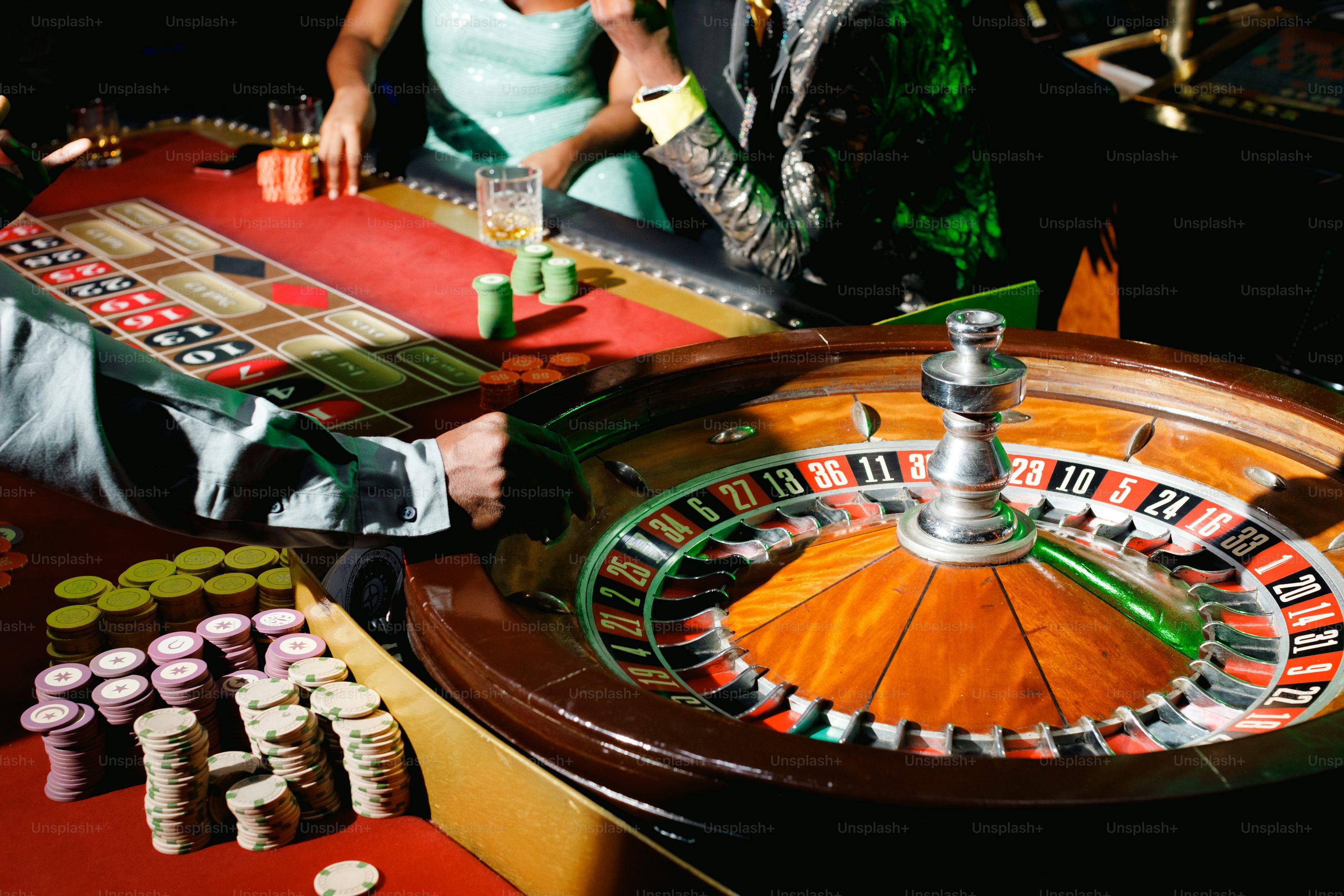

The journey of gambling tracing the historical evolution of games of chance
Ancient Beginnings: The Roots of Gambling
The origins of gambling can be traced back to ancient civilizations, where the desire to predict outcomes often led to games of chance. Archaeological findings suggest that the earliest known gambling activities occurred in ancient Mesopotamia around 3000 BC. Here, people engaged in activities like betting on the outcomes of dice rolls, a practice that mirrored the randomness inherent in gambling today. These games were not merely a pastime; they were intertwined with cultural rituals and served as a means to connect with the divine. Interestingly, modern players can explore extensive collections of games at slotlaircasino-uk.com/, reflecting the enduring popularity of these traditions.

In ancient China, around 2000 BC, gambling also played a crucial role in society. The Chinese developed rudimentary games involving tiles and betting, with the earliest form of keno emerging during this period. The games reflected a society that valued luck and chance, laying the groundwork for more complex gambling activities. These early forms of gambling not only entertained but also provided a sense of excitement and unpredictability that captivated players.
The Greeks and Romans further refined gambling practices, introducing structured betting systems. Ancient Greeks enjoyed games such as knucklebones, resembling modern dice, while the Romans popularized betting on chariot races and gladiatorial contests. The societal acceptance of gambling during these times led to a rich tapestry of games and betting customs, solidifying gambling’s place in human history. These early examples highlight how gambling was not merely a solitary endeavor but a communal activity that fostered social interaction.
The Middle Ages: A Time of Regulation and Growth
As society transitioned into the Middle Ages, gambling continued to thrive despite fluctuating perceptions. In Europe, the Church often condemned gambling, viewing it as a vice that could lead individuals astray. However, this disapproval did little to stifle the appeal of games of chance. Instead, underground gambling flourished, with players seeking refuge in private settings to indulge their interests. Card games began to emerge during this period, laying the groundwork for future casino games.
The introduction of playing cards in the 14th century marked a significant evolution in gambling. Originating from Asia, these cards quickly became popular across Europe. They spawned various games, each with unique rules and betting systems. The rise of card games contributed to the establishment of gambling houses, where players could come together to wager. This evolution highlighted gambling’s capacity to adapt and thrive, even in the face of societal opposition.
By the late Middle Ages, cities began regulating gambling to generate tax revenues. Licenses were issued for gaming houses, transforming gambling into a more organized affair. This regulatory framework helped legitimize gambling, allowing it to flourish as a legitimate entertainment option. Furthermore, the establishment of lotteries in various regions further demonstrated how governments sought to harness the public’s interest in games of chance for fiscal gain.
The Rise of Casinos: The Modern Era
The 17th and 18th centuries saw the emergence of the first modern casinos, particularly in Italy. The Casino di Venezia, established in 1638, is considered one of the world’s first official gambling houses. The concept of a dedicated venue for games of chance revolutionized gambling, providing a social hub where people could engage in various games, from card tables to roulette. This era also witnessed the refinement of gaming rules, enhancing the player experience and increasing the stakes involved.
As gambling spread across Europe, different countries developed their unique gaming traditions. France became synonymous with roulette, while Spain popularized its own variations of card games. The excitement of these establishments attracted not only locals but also tourists, further propelling the popularity of gambling. This growth coincided with a broader acceptance of gambling as a legitimate form of entertainment, leading to increased investments in luxury casinos.
The Industrial Revolution in the 19th century fueled further expansion of the gambling industry. With advancements in transportation, people could travel to gambling hubs like Monte Carlo, where opulent casinos attracted the elite. This era also marked the rise of slot machines, adding an element of novelty to traditional games. As gambling evolved, it began to reflect societal changes, adapting to the desires of a more mobile and affluent population.
Technological Advancements: The Digital Transformation
The late 20th century heralded a new era for gambling, primarily influenced by technological advancements. The introduction of the internet revolutionized the way players engaged with games of chance. Online casinos emerged, providing users with the opportunity to gamble from the comfort of their homes. This shift not only expanded access to gambling but also diversified the types of games available, including live dealer options and virtual sports.
As online gambling grew, so did the need for regulations to ensure fairness and security. Governments worldwide began to implement laws governing online casinos, establishing licensing bodies to protect consumers. This regulatory framework has allowed reputable online platforms to thrive, fostering trust among players. With innovative features like mobile gaming and live-streamed events, the digital landscape continues to evolve, making gambling more accessible than ever.
The integration of cutting-edge technology, such as blockchain and cryptocurrency, has also transformed the gambling experience. Players can enjoy anonymous transactions and improved security measures, enhancing their overall experience. This evolution signifies a shift towards a more tech-savvy and dynamic gambling landscape, illustrating how the journey of gambling continues to adapt to contemporary societal trends.
SlotLair Casino: A Modern Destination for Gamblers
In the current landscape, SlotLair Casino stands out as a premier online gaming platform tailored specifically for UK players. Offering an extensive collection of over 5,000 games, including slots, live dealer options, and traditional table games, SlotLair ensures that users have a plethora of choices at their fingertips. The user-friendly interface allows players to navigate seamlessly, whether they are seasoned gamblers or newcomers to the world of online gaming.
New users at SlotLair Casino can take advantage of a generous welcome bonus, enhancing their gaming experience from the outset. With bonuses of up to £10,000 and 300 free spins, players are incentivized to explore the diverse range of games available. Fast withdrawals and a variety of payment options, including cryptocurrency, reflect the platform’s commitment to user convenience and satisfaction.
Moreover, SlotLair Casino prioritizes customer support, offering 24/7 assistance to ensure that players feel supported throughout their gaming journey. This dedication to service, combined with a comprehensive selection of games and exciting promotions, positions SlotLair as a leading choice for online gaming enthusiasts. As gambling continues to evolve, platforms like SlotLair Casino exemplify the dynamic nature of this industry, providing engaging and reliable experiences for players worldwide.